Upgrade Your Outdoor Environment With Qualified Hardscaping Services
Transforming garden areas through skilled hardscaping services provides both practical and aesthetic benefits. By applying strong materials for features like patios and retaining walls, homeowners can enhance their property's value. Professional installation guarantees meeting with local regulations and exact execution. Understanding the intricacies of hardscaping design is important for creating a cohesive outdoor environment. What are the key elements to think about when starting this impactful journey?
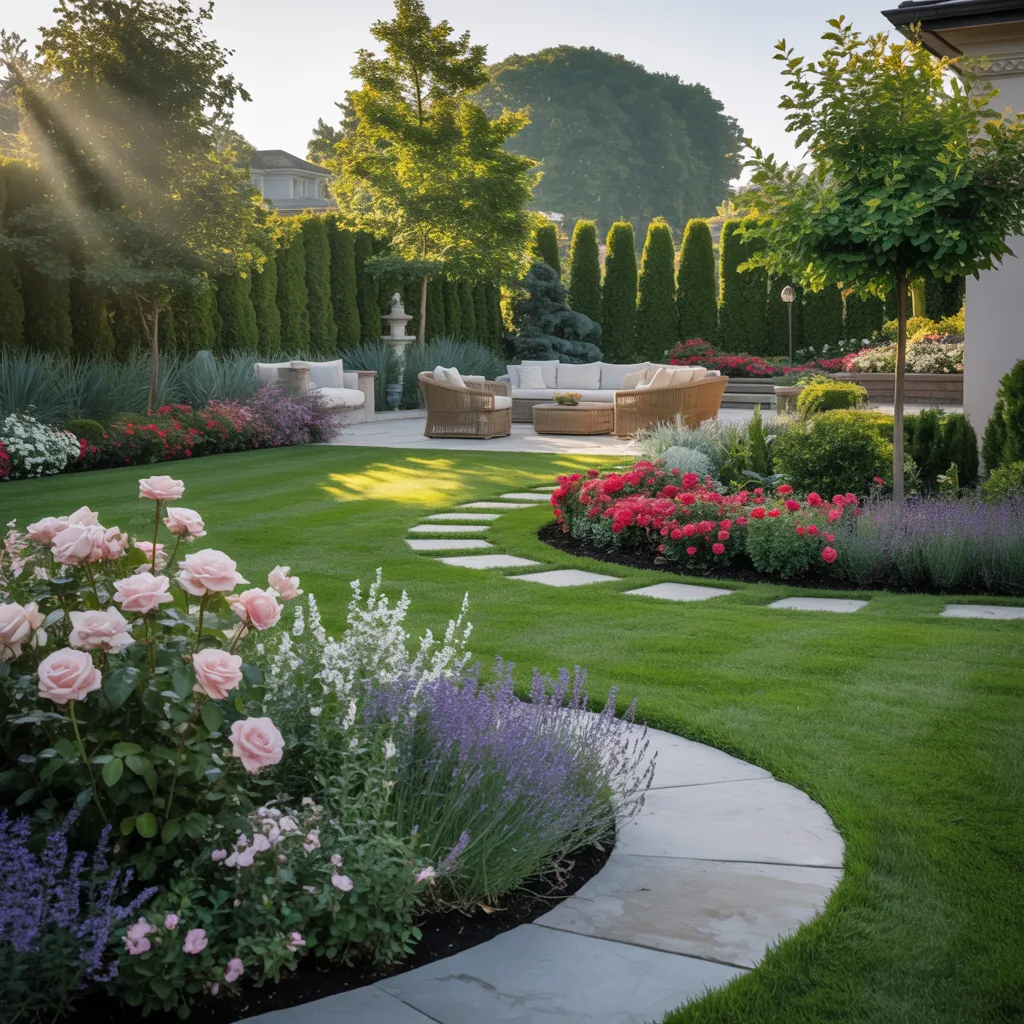
What Is Hardscaping and Why Is It Essential?
Hardscaping, an essential element of landscape design, covers the non-plant components of outdoor spaces, such as patios, walkways, and retaining walls. This dimension of landscaping delivers structure and usefulness, enhancing the accessibility of outdoor areas. Hardscaping elements function multiple purposes: they form pathways for movement, define spaces, and bring aesthetic appeal.
Additionally, hardscape design plays an important role in water management, helping to control water dispersal and preventing erosion. Properly designed components can minimize water runoff, advancing healthier landscapes. Furthermore, hardscaping improves property value by boosting curb appeal and supplying practical outdoor living solutions.
Adding outdoor hardscape installations allows homeowners to appreciate their outdoor spaces year-round, supplying areas for relaxation, entertaining, or recreational activities. Overall, hardscaping proves invaluable to the overall aesthetic and practical aspects of outdoor environments, making it an critical consideration for any landscape project.
Picking suitable Hardscaping Options
Selecting suitable landscape surfaces requires deliberate thought of both endurance and design appeal. Durable materials assure permanence and resilience against the elements, while design preferences amplify the overall visual impact of outdoor spaces. Managing these priorities is essential for designing a functional and visually pleasing environment.
Material Resilience Evaluation
When picking hardscaping materials, endurance plays a key role in ensuring persistent outdoor features. Homeowners should consider several factors such as climate, foot traffic, and potential wear caused by environmental elements. For example, natural stone and concrete offer robust durability, making them appropriate for patios and walkways. In contrast, less tough materials like wood often require additional maintenance and are prone to weathering. Moreover, understanding the material's ability to resist stains, cracking, and fading can greatly influence its longevity. Proper installation practices also boost durability, guaranteeing that the hardscaping lasts the test of time. Ultimately, selecting the right materials, aligned with particular needs and environmental conditions, is essential for maintaining enduring outdoor spaces.
Visual Design Choices
While usefulness is crucial in hardscaping, design choices greatly impact the overall attractiveness of outdoor spaces. The selection of materials plays a central role in achieving a balanced look. Natural stone, for example, offers a rustic charm, while pavers provide a more structured appearance. Tone, texture, and pattern should be carefully considered to complement existing architecture and landscaping. Adding elements like retaining walls, pathways, and patios can improve aesthetic value. Additionally, using sustainable materials can support an environmentally friendly aesthetic. The balance between style and practicality guarantees that hardscaping not only looks appealing but also fits seamlessly into the environment, creating welcoming outdoor areas that are both beautiful and functional.
Essential Components of Successful Hardscaping Planning
Effective hardscaping design combines several essential components that enhance both function and aesthetics. To start, materials play a vital role; options like stone, brick, and concrete not only determine the appearance but also affect durability. Next, layout is key; well-designed paths, patios, and retaining walls form cohesive outdoor spaces while optimizing flow. Thirdly, drainage solutions must be incorporated to avoid water buildup, ensuring longevity and ease of use. Moreover, adding elements such as steps, borders, and seating areas can improve usability and comfort. Finally, lighting is vital for safety and ambiance, enabling outdoor spaces to be enjoyed after sunset. Considering these components, hardscaping can transform outdoor areas into practical and pleasing environments, fostering outdoor activities and raising property value. In the end, effective hardscaping design is a combination of practical and visual features that work together.
Advantages of Professional Hardscaping Services
Turning to professional hardscaping services brings numerous advantages that improve both the functionality and beauty of exterior areas. Expert hardscapers use advanced expertise and skills, ensuring that work is completed with accuracy and attention. They understand local regulations and environmental factors, helping to avoid potential setbacks.
Moreover, professional service providers grant connection with excellent materials and innovative methods, delivering resilient and elegant installations. This not only boosts the persistence of hardscaped features but also increases financial worth to the property.
Furthermore, adept hardscapers can transform demanding landscapes into workable spaces, refining outdoor areas for entertainment, relaxation, or gardening. Their creative expertise allows for cohesive visual design, integrating hardscape elements seamlessly with current landscapes. Ultimately, contracting professionals can save time and decrease the likelihood of costly errors, confirming a gratifying and successful outdoor transformation.
What landscape options are gaining traction in Hardscaping for 2023?
As landscape design trends evolve, 2023 brings a new surge of advancements in hardscaping that address both aesthetics and functionality. One notable trend is the application of eco-friendly materials, such as permeable pavers and recycled stone, which not only improve visual appeal but also encourage environmental responsibility. Designers are increasingly blending natural elements with modern features, creating seamless connections between hardscapes and landscapes.
One hot trend emerging is the incorporation of multifunctional outdoor spaces. Fire pits, seating walls, and outdoor kitchens are serving as essential components, allowing homeowners to enhance their outdoor living areas. Additionally, bold geometric patterns and vibrant colors are growing in favor, adding a contemporary flair to traditional designs.
Smart technology is also making waves in hardscaping, with elements like automated lighting and irrigation systems enhancing convenience and energy efficiency. Overall, 2023's hardscaping trends emphasize a harmonious blend of style, sustainability, and practicality.
Hardscaping Preservation Advice for Lovely Spaces
Maintaining beautiful hardscaping requires regular upkeep and seasonal care. Regular cleaning techniques help avoid accumulation of grime and waste, ensuring surfaces remain visually appealing. Additionally, adhering to particular seasonal recommendations can safeguard hardscaped spaces from weather-related wear and tear.
Regular Maintenance Methods
Hardscaping features are best maintained through regular cleaning practices that play a crucial role in preserving their look and life. To keep these outdoor structures in top condition, regular sweeping removes debris and stops staining. For deeper cleaning, pressure washing proves effective in eliminating dirt, algae, and mold that may form over time. When dealing with stone or brick surfaces, a gentle cleanser may be applied to maintain texture and ensure cleanliness. Sealing pavers and stone surfaces offers protection against moisture infiltration and stains, extending their lifespan. Moreover, quickly managing spills helps to reduce long-term damage and discoloration. Carrying out regular examinations for cracks or shifting materials aids in detecting maintenance needs before they worsen. Using these techniques plays a significant role in enhancing the aesthetic appeal and durability of hardscaping installations.
Seasonal Upkeep Recommendations
Strategic seasonal maintenance is essential for safeguarding the condition and aesthetics of hardscaping features over all seasons. In spring, thorough cleaning and sealing of surfaces can forestall damage from natural forces. Summer maintenance includes regular inspections to uncover cracks or shifts caused by heat and moisture. Fall requires the disposal of leaves and debris to suppress mold growth, along with a check for any necessary repairs. Winter care centers on snow and ice management; using a salt-free ice melt secures surfaces from damage. Additionally, applying applicable information a protective sealant can maximize durability. By adhering to these seasonal standards, homeowners can validate their hardscaping remains beautiful and functional, thereby boosting its lifespan and decreasing future repair costs.
Frequently Asked Questions
What is the Standard Timeline for Completing a Hardscaping Project?
A hardscaping project typically takes one to three weeks to complete, depending on the complexity and size of the area. Elements like climatic factors and material availability can also influence the timeline significantly.
Which Documentation Must Be Secured for Hardscape Work?
In most cases, hardscaping projects require permits for constructed elements including patios, retaining walls, or walkways. Area ordinances can vary, so contacting municipal authorities guarantees compliance with zoning laws and safety codes before beginning any construction efforts.
Is hard landscaping Able to Be positioned Over current Surfaces?
Yes, hard landscape features can often be installed over present layers, provided the underlying material is secure and in good condition. Adequate evaluation is necessary to assure resilience and stop future issues with the new installation.
How Do I Select a Reliable Hardscaping Contractor?
To locate a dependable hardscaping contractor, one should examine online feedback, request recommendations, check qualifications, review past projects, and gather quotes in writing. Strong communication and responsiveness during initial interactions also indicate professionalism and reliability.
What Factors Must I Consider for Water Flow in Hardscaping?
When assessing drainage in hardscaping, one should examine the landscape's grade, soil type, and existing water flow. Proper drainage stops flooding and erosion, guaranteeing the longevity and stability of hardscaped features.